Source Custom 18k Gold Necklaces and Bracelets Set for Gifts
Explore 30 options for custom 18k gold necklaces and bracelets set designs, including stainless steel and gold-plated variations. Compare features like micro-insert inlay, circle and flower pendant shapes, and customizable logos to find the right pieces for weddings, parties, and anniversaries.
Key considerations
Products List


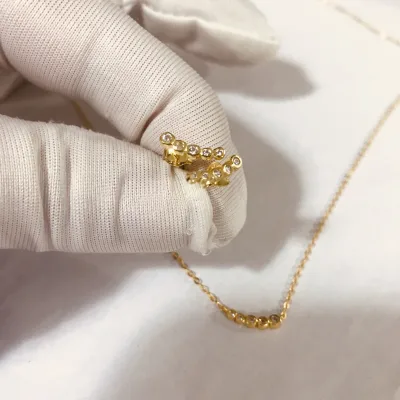
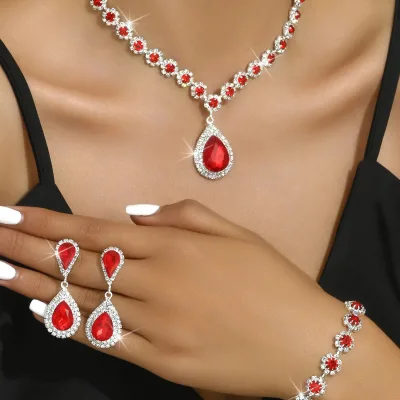


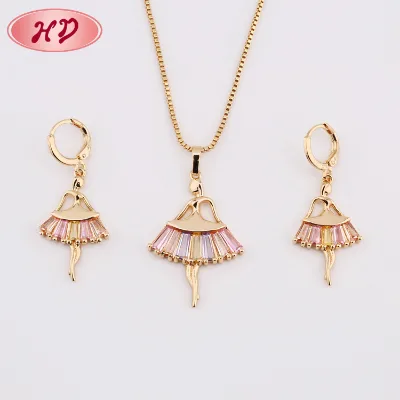


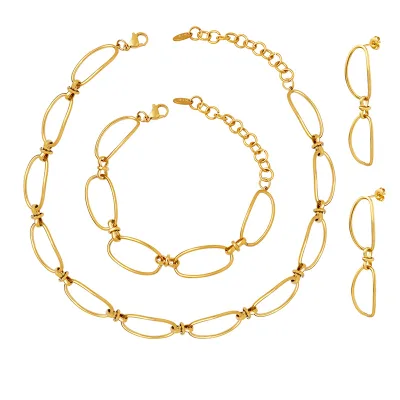
Comprehensive Sourcing Guide
Custom 18k Gold Necklaces and Bracelets Set Sourcing Guide
Sourcing high-end jewelry sets requires balancing aesthetic precision with rigorous material verification. Buyers must distinguish between solid gold plating and base metal cores, as the latter dominates the current market. The observed product landscape indicates a strong prevalence of stainless steel cores with gold or silver plating, rather than solid 18k gold construction. This distinction fundamentally alters cost structures, durability expectations, and target market positioning. Procurement teams should prioritize suppliers who transparently disclose core materials and plating thickness to avoid misalignment with premium brand standards.
Commercial viability depends heavily on customization capabilities and minimum order quantities. Current market signals show flexible MOQs ranging from fifty pieces to two hundred, allowing for scalable inventory planning. Customization options extend to logo integration, pendant shapes, and chain types, enabling brands to create unique identity markers. However, these bespoke elements introduce complexity in quality control and production timelines. Buyers must evaluate whether the supplier’s infrastructure supports consistent execution of intricate designs, such as micro-insert inlay techniques, without compromising structural integrity or finish uniformity across large batches.
Product Scope and Observed Listing Signals
The current catalog reveals a diverse array of jewelry configurations, primarily centered on stainless steel construction with decorative plating. Observed attributes highlight a strong focus on female and unisex demographics, with styles ranging from simple circles to intricate flower and cross pendants. The presence of specific model numbers like AE333, DS591, and DS1203 suggests a standardized production framework that facilitates repeat ordering. Buyers should note that while the core keyword implies 18k gold, the actual listings predominantly feature stainless steel bases with gold or silver finishes, indicating a need for careful specification alignment during negotiations.
Chain types and pendant shapes vary significantly, offering versatility for different fashion narratives. Link chains and charm necklaces are common, often paired with bead or geometric pendants. The observed weight of thirty-two grams for certain sets provides a tangible benchmark for quality perception, though this varies by design. Packaging is typically standardized in boxes, with dimensions around fifteen by ten by ten centimeters, streamlining logistics. Procurement teams must verify if these standard configurations can be adapted to specific brand requirements, particularly regarding the inclusion of gift-oriented features for weddings, anniversaries, or parties.
Technical Specifications to Verify
Dimensional accuracy and chain length are critical for customer satisfaction and return rate reduction. Standard lengths observed include forty-five plus five centimeters and fifty plus six centimeters, with some variations reaching seventy centimeters. Buyers must confirm that these measurements align with regional sizing preferences and target demographic expectations. Additionally, pendant shapes such as circles, flowers, and crosses require precise tolerance checks to ensure symmetry and aesthetic appeal. The use of micro-insert inlay technology demands rigorous inspection for stone security and surface smoothness, preventing snagging or loss during wear.
Material composition verification is paramount to avoid misrepresentation claims. While listings may suggest gold finishes, the core material is frequently stainless steel or steel. Buyers should request mill certificates or third-party appraisal reports to confirm base metal purity and plating thickness. The presence of customized logo options adds another layer of technical complexity, requiring proof of engraving depth and durability. Furthermore, size customization capabilities should be validated to ensure that non-standard dimensions do not incur excessive rework costs or production delays, maintaining the efficiency of the supply chain.
Compliance and Safety Documentation
Regulatory compliance is non-negotiable for international jewelry trade, particularly concerning heavy metal content and allergen safety. Buyers must ensure that all gold and silver plating processes adhere to strict environmental and safety standards, minimizing the risk of lead or nickel leakage. Third-party appraisal certificates are observed in the market, serving as a baseline for quality assurance. However, buyers should independently verify that these certifications cover the specific jurisdictions of their target markets, such as REACH in Europe or CPSIA in the United States, to prevent customs holds or legal liabilities.
Documentation must also encompass ethical sourcing and labor practices, which are increasingly scrutinized by consumers and retailers. While not explicitly detailed in current listings, reputable suppliers should provide evidence of fair labor standards and sustainable manufacturing processes. Buyers should inquire about the supplier’s internal quality management systems and their approach to traceability. Ensuring that the supply chain is transparent from raw material procurement to final assembly helps mitigate reputational risks and aligns with corporate social responsibility goals, enhancing brand value in competitive markets.
Cost Drivers and Commercial Terms
Pricing in the custom jewelry sector is influenced by material costs, plating thickness, and customization complexity. The observed price range of zero point seven to one hundred forty point seven three US dollars reflects this variability, with higher prices typically associated with intricate designs or thicker plating. Buyers must understand the cost breakdown to negotiate effectively, distinguishing between base material costs and value-added services like logo customization or special packaging. Volume discounts should be clearly defined, with MOQs starting at fifty sets or pieces, allowing for economies of scale as order quantities increase.
Payment terms and lead times are critical components of the commercial agreement. Suppliers often require upfront deposits for custom orders, with balances due upon completion or before shipment. Lead times can vary based on the complexity of the design and the current production load. Buyers should negotiate clear delivery schedules and penalties for delays to protect their inventory planning. Additionally, understanding the cost implications of sample orders and prototype development is essential, as these initial steps often involve higher per-unit costs but are crucial for validating quality before mass production.
Supplier Qualification and Quality Control
Evaluating supplier capability requires a thorough assessment of their production facilities and quality control protocols. Buyers should request virtual or physical audits to verify the supplier’s capacity for consistent output and adherence to specifications. The presence of customized logo options and various pendant shapes indicates a flexible manufacturing process, but this flexibility must be balanced with rigorous quality checks. Suppliers should demonstrate a systematic approach to inspecting plating uniformity, stone setting security, and dimensional accuracy, ensuring that every piece meets the agreed-upon standards.
Communication and responsiveness are key indicators of a reliable partner. Buyers should assess the supplier’s ability to provide timely updates, resolve issues, and adapt to changing requirements. A proactive supplier will offer suggestions for design improvements or cost-saving measures without compromising quality. Building a strong relationship with the supplier can lead to better pricing, priority production slots, and collaborative innovation. Regular performance reviews and feedback loops help maintain high standards and foster a partnership that supports long-term business growth and market competitiveness.
Long-Term Procurement Checks
Sustaining a successful sourcing strategy requires continuous monitoring of supplier performance and market trends. Buyers should establish key performance indicators for quality, delivery, and communication, reviewing them regularly to identify areas for improvement. Staying informed about emerging jewelry trends, such as new pendant shapes or plating techniques, allows for proactive product development and inventory management. Engaging in periodic supplier audits and performance evaluations ensures that the partnership remains aligned with business objectives and quality expectations.
Risk management is essential for long-term stability. Buyers should diversify their supplier base to mitigate the impact of potential disruptions, such as material shortages or production delays. Developing contingency plans for supply chain interruptions, including alternative sourcing options and safety stock strategies, enhances resilience. Additionally, fostering open communication channels with suppliers facilitates early detection of issues and collaborative problem-solving. By maintaining a strategic focus on quality, compliance, and relationship management, buyers can secure a competitive advantage and drive sustainable growth in the custom jewelry market.
FAQs
Can I customize the logo on these jewelry sets?
Yes, customized logos are available for these stainless steel jewelry sets. Buyers can request specific branding to enhance product identity. The sets support personalization for gifts, weddings, and parties. This customization option allows businesses to tailor the final appearance to their target audience requirements effectively.
What is the minimum order quantity for these items?
The minimum order quantity varies by product type. Some items require a minimum of 50 pieces, while others may need 50 sets. Buyers should check specific product listings for exact MOQ values. This flexibility supports both small trial orders and larger bulk purchases for various business needs.
What materials are used in these necklaces and bracelets?
These jewelry sets are primarily made from stainless steel. The material ensures durability and resistance to tarnishing for long-term wear. Some items feature gold or silver plating for aesthetic appeal. The stainless steel construction provides a high-quality foundation suitable for fashion accessories and decorative purposes.
Are these jewelry sets suitable for female and male buyers?
Yes, the jewelry sets are suitable for both female and male buyers. Some items are specifically designed for females, while others are unisex. This versatility allows for broader market appeal. Buyers can select styles that match the preferences of their specific customer demographic or gift recipients.
What certifications are provided for these products?
Products come with third-party appraisal certificates. These certifications verify the quality and material composition of the jewelry sets. Buyers can request these documents to ensure compliance with their sourcing standards. The certification process adds trust and transparency to the procurement of stainless steel fashion accessories.
How are these jewelry sets packaged for shipping?
The jewelry sets are packaged in boxes for protection. This packaging method ensures items arrive in good condition. The box size is typically around 15x10x10 cm. Secure packaging helps prevent damage during transit and maintains the aesthetic presentation of the products for retail or gifting purposes.